Agreement Essentials: NDAs, Confidentiality, and Contracts
Use agreements to protect your business and set clear expectations. This guide explains essential agreements and includes a free checklist.
2 Comments
July 3, 2025

Legal document defining the rights and obligations of two or more parties is a contract. Usually, a contract is only enforceable if it contains certain fundamental components: one party makes an offer; another party accepts it; and there is a consideration—something of value exchanged, such as money, services, or a promise. Furthermore, the parties have to be legally free to sign contracts and the deal has to have a valid purpose.
Apart from these basics, good contract management is very important for reducing risk and guaranteeing seamless running of business activities. Building protection starts with the first draft; one has to use basic, clear language to avoid later misunderstandings over meaning. Important phrases including the spectrum of work, payment schedules, delivery deadlines, and privacy obligations need to be clearly stated.
Often disregarded is a crucial element: the boilerplate clauses at the conclusion of the paper. Among these fundamental clauses are important defense legal tools and guidelines for the interactions themselves. For instance, a indemnification clause defines who is liable should a third party submit a claim, hence limiting the possible financial losses; a liability cap clause names who is responsible. Particularly crucial is the conflict resolution clause, which governs whether conflicts will be settled in court via lawsuits or via other methods such as arbitration or mediation—usually faster and more secretly.
The execution marks the last examination of a transaction. A breach follows from one side’s broken promise, hence the other party can sue damages. Good record-keeping, thorough review before signing, and solid amendment management following contract clauses and best practices ensure continuing compliance; infractions might result in monetary losses—which is money to pay for losses—or a court order forcing the agreement or contract cancellation.
Eventually a well-written contract becomes a useful tool rather than only a legal need. It clearly defines the relationship, manages expectations, and distributes risk, hence protecting all parties from any potential difficulties and providing a clear route ahead in case of any problems. Understanding the risks of a poorly written contract, including financial loss, ruined relationships, and costly litigation, emphasizes why good contract writing is a fundamental business best practice requiring time and effort.
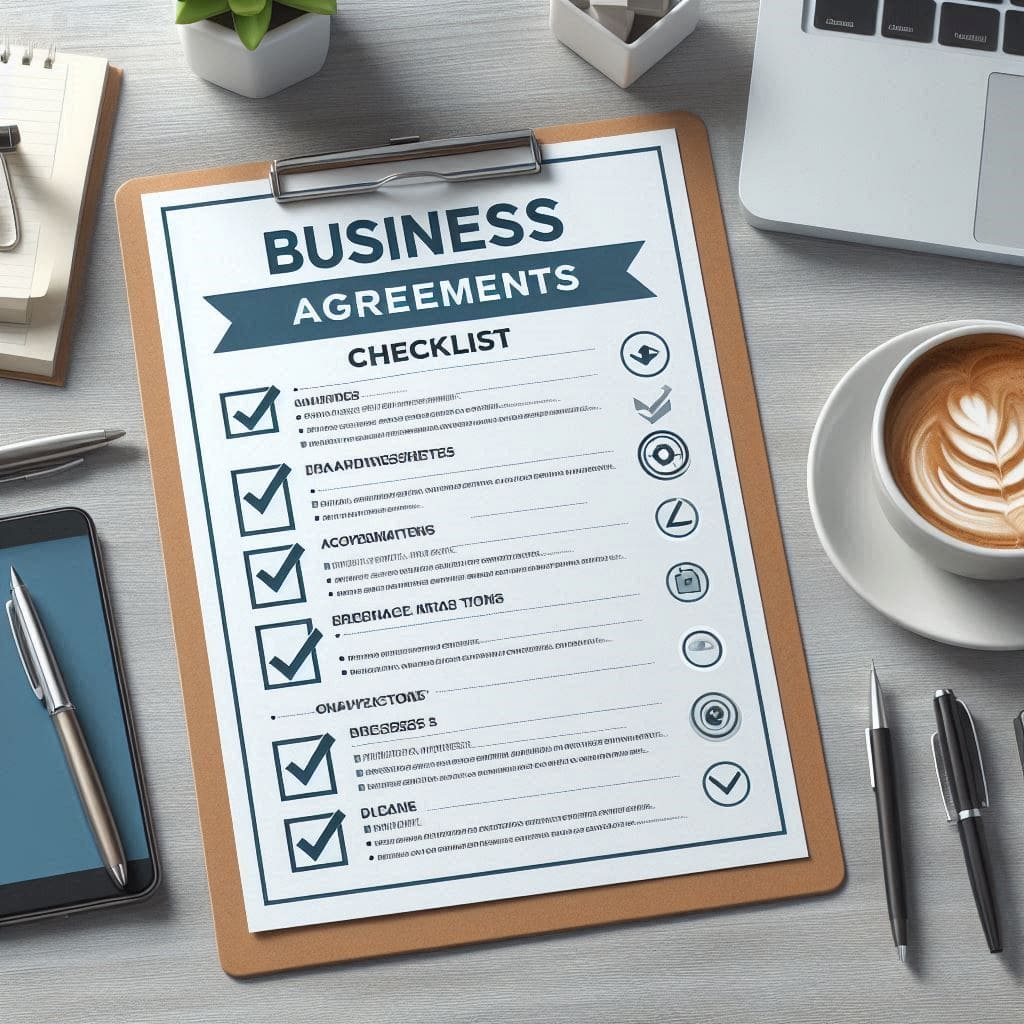
Use agreements to protect your business and set clear expectations. This guide explains essential agreements and includes a free checklist.

Contractual Disputes: Meaning, Examples, Causes and Solutions Litigation over contractual relations is a common feature of both business and everyday life. They occur where the parties to the contract are…